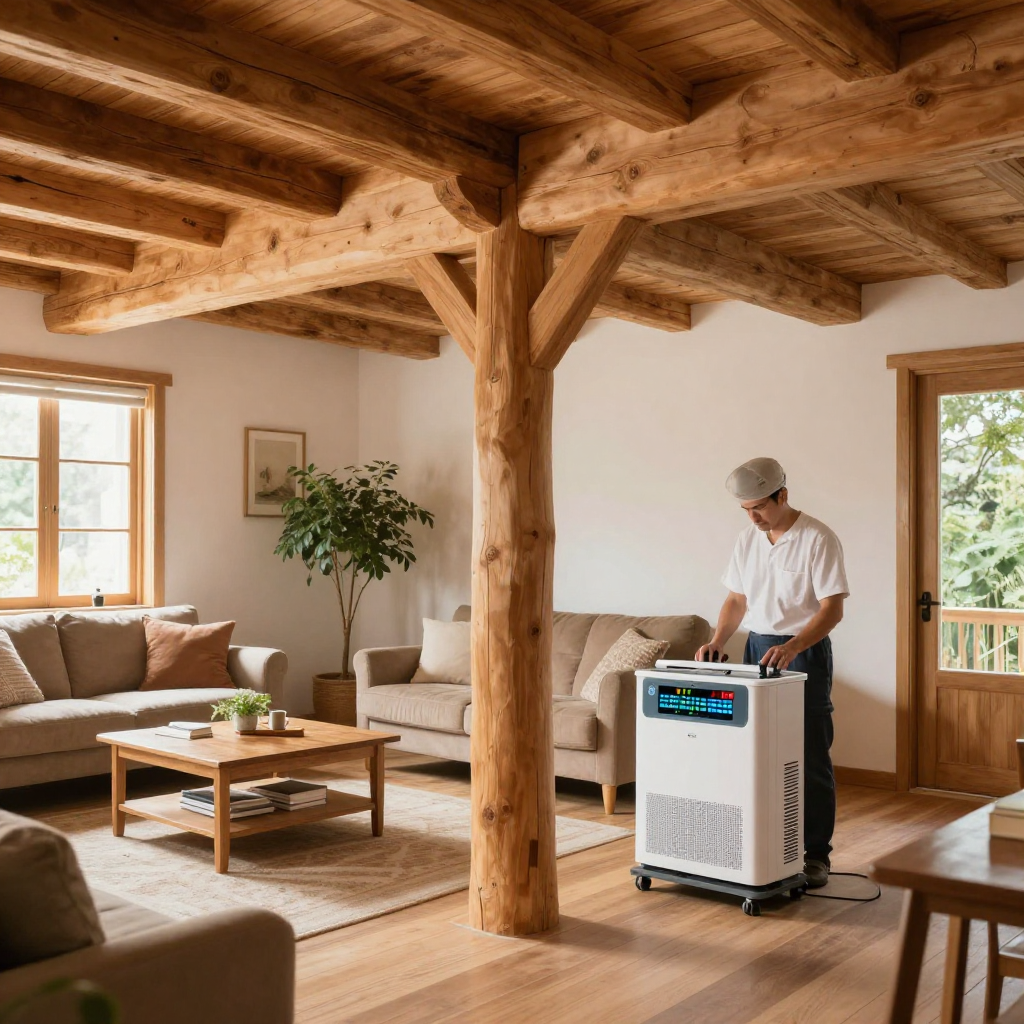
Woodworm infestation is one of the most common problems affecting wooden furniture, roof beams, floorboards, and structural timber in homes. Because woodworm larvae live hidden inside wood for years, infestations often go unnoticed until visible signs such as small holes, powdery dust, or weakened timber begin to appear.
Once homeowners discover woodworm, one of the first questions they ask is: How long does woodworm treatment take?
The answer depends on several factors, including the severity of infestation, the type of treatment used, the size of the affected area, and whether structural timber is involved. Some treatments can be completed in just a few hours, while others may require several days or longer monitoring periods.
Understanding treatment timelines helps homeowners prepare properly and know what to expect during the process. Many property owners exploring timber care solutions through shashel.eu are often interested in treatment duration before deciding which woodworm removal method is best.
In this guide, we will explain how long woodworm treatment usually takes, what factors affect treatment time, and how different methods compare.
What Is Woodworm?
Before discussing treatment timelines, it is important to understand what woodworm actually is.
Despite the name, woodworm is not a worm. It refers to the larvae of wood-boring beetles that feed on timber from the inside.
Adult beetles lay eggs on wood surfaces or inside cracks. After hatching, larvae burrow into the wood and begin feeding.
Over time, this causes internal tunnels that weaken timber.
Eventually, adult beetles emerge, leaving behind tiny exit holes.
Woodworm commonly affects:
- Wooden furniture
- Roof beams
- Floorboards
- Structural timber
- Wooden doors and frames
- Antique furniture
Because larvae often remain hidden for years, treatment timing depends heavily on infestation severity.
Factors That Affect Woodworm Treatment Time
There is no single answer for how long treatment takes because every infestation is different.
Several factors influence treatment duration.
Severity of Infestation
One of the biggest factors is how serious the infestation has become.
Mild Infestation
Minor infestations affecting small furniture or isolated areas often require less time.
Treatment may take only a few hours.
Moderate Infestation
If multiple areas are affected, treatment may take longer.
Follow-up inspection may also be necessary.
Severe Infestation
Large infestations involving structural timber may require multiple treatments or extended work.
Severe damage may also involve repairs.
The earlier treatment begins, the faster and easier the process usually becomes.
Type of Woodworm Treatment Used
Different treatment methods take different amounts of time.
Chemical Woodworm Treatment
Chemical treatment is one of the most commonly used solutions.
Treatment Time
Applying chemical treatment usually takes:
- A few hours for furniture
- One day for larger areas
However, drying time may add extra waiting.
Drying Period
After treatment, wood often needs time to dry.
This can range from:
- Several hours
- Up to 48 hours depending on product type
Homeowners may also need ventilation during this period.
Total Timeline
Chemical treatment usually takes:
1 to 3 days including drying and preparation
Microwave Woodworm Treatment
Microwave technology is a modern and fast treatment option.
This method uses controlled heat to eliminate larvae hidden inside timber.
Treatment Time
Microwave treatment is often completed quickly.
Small treatment areas may take:
30 minutes to a few hours
Larger structural areas may take longer.
Advantages
Because microwave treatment works directly inside timber:
- Results are immediate
- No drying time is needed
- Minimal disruption occurs
Total Timeline
Most microwave treatment projects are completed:
Within a single day
This is one reason many homeowners researching modern timber care through shashel.eu are increasingly interested in microwave treatment.
Heat Treatment
Heat treatment is another chemical-free method.
This process raises timber temperature to levels woodworm cannot survive.
Treatment Time
Depending on infestation size:
- Small furniture: several hours
- Large structures: one day or longer
Cooling Period
After heating, wood may need cooling time.
Total Timeline
Heat treatment often takes:
Several hours to 1–2 days
Fumigation Treatment
For severe or widespread infestations, fumigation may be necessary.
This is generally reserved for major structural cases.
Treatment Time
Fumigation can take:
- Several days
- Sometimes up to a week
Why It Takes Longer
The process includes:
- Property preparation
- Treatment application
- Safety waiting period
- Ventilation
Fumigation is usually the longest treatment option.
Size of the Affected Area
Treatment duration depends heavily on how much timber is involved.
Small Furniture Pieces
Small items often require:
A few hours
Single Room Infestation
Treatment may take:
Half a day to one full day
Entire Property Treatment
Large homes with multiple infestation points may require:
Several days
Larger treatment areas naturally take longer.
Type of Timber
Wood type can also affect treatment time.
Softwood
Softwood often absorbs treatment more easily.
This may shorten application time.
Hardwood
Dense hardwood may require:
- Longer heat penetration
- Extra chemical absorption time
Timber thickness also affects duration.
Preparation Time Before Treatment
Treatment often requires preparation.
Homeowners may need to:
- Remove furniture
- Clean surfaces
- Clear affected areas
Professionals may inspect timber before beginning.
Preparation can add:
A few hours to one day
depending on infestation size.
Inspection and Assessment Time
Before treatment starts, professionals usually inspect the infestation.
What They Check
Experts assess:
- Active infestation
- Timber damage
- Beetle species
- Severity
Inspection usually takes:
30 minutes to several hours
depending on property size.
How Long Until Woodworm Is Completely Gone?
Treatment may kill woodworm immediately, but visible signs can remain.
Exit Holes
Old holes stay in wood even after successful treatment.
Beetle Activity
Adult beetle emergence may stop over time.
Monitoring Period
Professionals often recommend monitoring timber for several months.
This confirms infestation has ended.
Fresh dust or new holes may suggest ongoing activity.
Signs Treatment Was Successful
You may notice:
No New Wood Dust
Fresh powder should stop appearing.
No New Holes
New exit holes should disappear over time.
No Beetle Activity
Beetles should no longer emerge.
Stable Timber
Wood should stop weakening.
Regular checks help confirm success.
Does Furniture Need to Be Removed?
This depends on treatment type.
Chemical Treatment
Furniture may sometimes need moving.
Microwave Treatment
Usually causes minimal disruption.
Heat Treatment
Furniture arrangements may vary depending on the area.
Professionals explain preparation requirements beforehand.
Can You Stay in the Home During Treatment?
This depends on the method used.
Microwave Treatment
Often allows homeowners to stay.
Heat Treatment
Usually minimal disruption.
Chemical Treatment
Ventilation or temporary room avoidance may be recommended.
Fumigation
Temporary relocation may sometimes be necessary.
Treatment choice affects convenience.
Preventing Future Infestation
After treatment, prevention matters.
Keep Timber Dry
Moisture attracts woodworm.
Improve Ventilation
Airflow helps prevent dampness.
Inspect Furniture Regularly
Early detection prevents major damage.
Treat Vulnerable Wood
Protective coatings may reduce future risk.
Repair Leaks Quickly
Water problems increase infestation risk.
Prevention saves time and money.
Common Mistakes That Delay Treatment
Waiting Too Long
Delays often increase damage.
Ignoring Early Signs
Small holes may signal bigger problems.
Choosing the Wrong Treatment
Some infestations require stronger solutions.
Skipping Follow-Up Checks
Monitoring ensures long-term success.
Early action speeds up recovery.
When to Call a Professional
Professional help is recommended if:
- Structural timber is affected
- Infestation spreads widely
- Damage looks severe
- DIY treatment fails
Experts help determine the fastest and safest solution.
Conclusion
So, how long does woodworm treatment take? The answer depends on infestation severity, treatment type, timber condition, and property size.
Small infestations may be treated in just a few hours, while larger structural problems may take several days. Microwave and heat treatments often provide faster results, while chemical treatment may require drying time and fumigation may take longer.
Many homeowners exploring wood protection and treatment options through shashel.eu understand that acting early is one of the best ways to reduce treatment time and avoid expensive repairs.