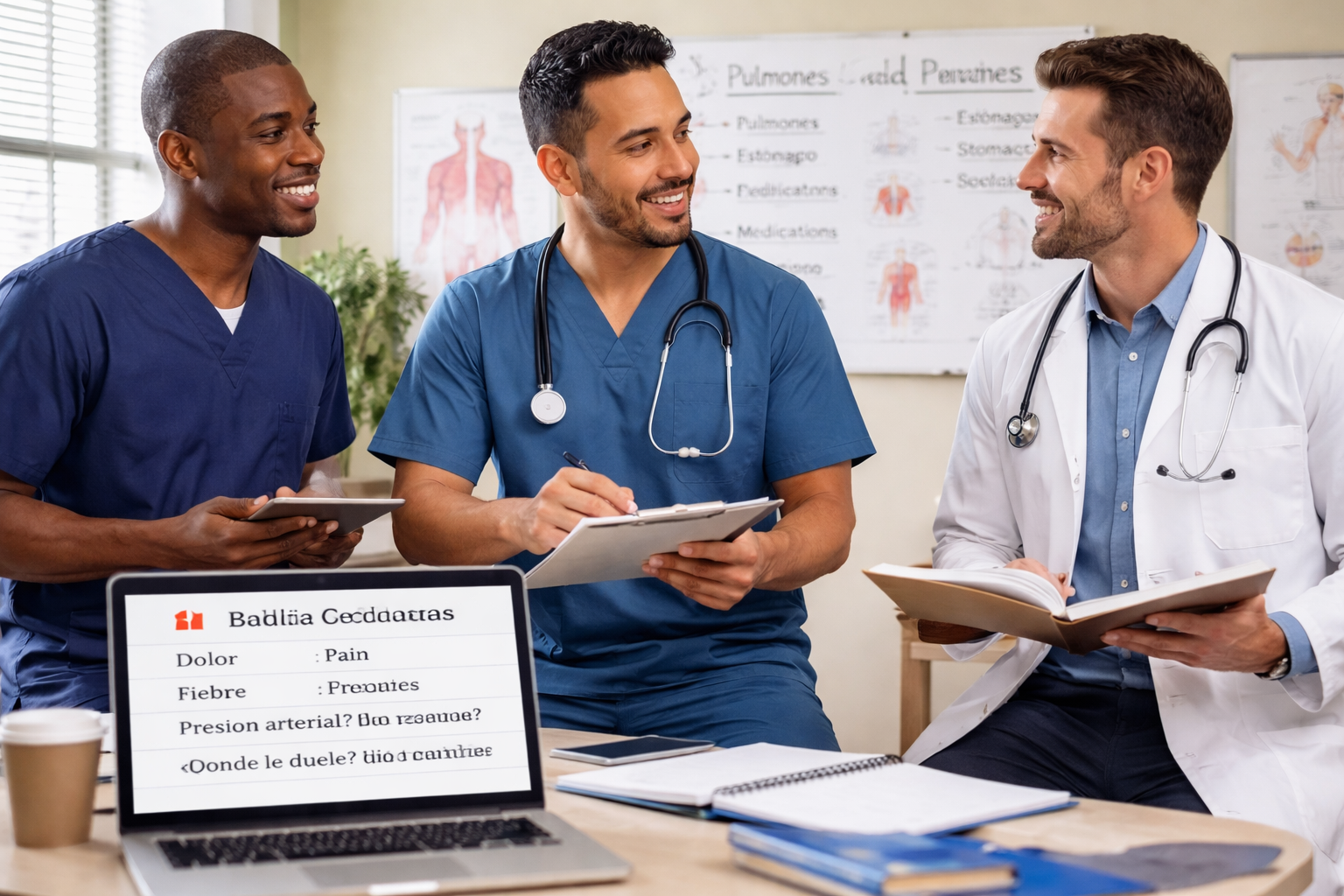
Clear communication sits at the heart of good healthcare. When language gets in the way, even simple interactions can become stressful for both the provider and the patient. For clinicians who regularly work with Spanish speaking communities, enrolling in a medical Spanish course can change how each day in the clinic feels. It turns hesitation into clarity and replaces guesswork with confidence.
Healthcare Spanish is not the same as conversational Spanish. It has its own structure, tone, and expectations. A focused learning path helps bridge that gap in a way that feels practical, respectful, and immediately useful.
Why Medical Spanish Is Different From General Language Learning
Many healthcare workers start with basic Spanish apps or casual lessons. Those can help with greetings, but they often fall short in real clinical settings.
Medical conversations involve precision. Symptoms, timelines, consent, and instructions all require accuracy. A patient describing pain needs to be understood clearly. A provider explaining medication use cannot afford confusion.
A dedicated medical Spanish course focuses on:
- Clinical vocabulary used in real settings
- Sentence structures common in patient interviews
- Cultural nuances that shape how patients describe illness
- Listening skills for different accents and speaking speeds
- Appropriate tone for sensitive conversations
This kind of training respects the complexity of healthcare communication rather than simplifying it.
Who Benefits Most From a Medical Spanish Course
The need goes far beyond physicians. Spanish speaking patients interact with many professionals during a single visit.
Common learners include:
- Doctors and residents in hospitals and private practices
- Nurses and medical assistants
- EMTs and paramedics
- Physical therapists and occupational therapists
- Mental health professionals
- Medical and nursing students
- Front desk and intake staff
Anyone who speaks directly with patients can benefit from stronger Spanish skills tailored to healthcare.
Learning Through Real Clinical Scenarios
One of the biggest strengths of a structured medical Spanish course is scenario based learning. Instead of memorizing long word lists, learners practice language the way it is actually used.
Typical scenarios include:
- Taking a patient history
- Asking about pain, duration, and severity
- Reviewing medications and allergies
- Giving pre and post procedure instructions
- Discussing chronic conditions
- Explaining follow up care and warning signs
This approach helps the language stick because it connects words to real actions. Learners begin to recognize patterns and respond more naturally over time.
Building Confidence, Not Just Vocabulary
Many healthcare professionals understand more Spanish than they think. The real challenge is speaking without fear of making mistakes.
A well designed medical Spanish course addresses this directly by:
- Encouraging active speaking practice
- Normalizing common errors and corrections
- Reinforcing respectful communication
- Teaching how to clarify and confirm understanding
- Helping learners slow down and choose the right words
Confidence grows when learners feel prepared, not rushed or judged. That confidence carries into patient interactions and improves trust on both sides.
Cultural Context Matters in Healthcare Spanish
Language and culture are closely connected, especially in healthcare. How patients describe symptoms, pain, or emotions can vary widely based on cultural background.
Effective courses include cultural context such as:
- How family roles influence medical decisions
- Common expressions patients use to describe illness
- Differences in formality and respect
- Cultural views on mental health and chronic disease
- Expectations around time, treatment, and follow up
Understanding these details helps providers avoid misunderstandings and communicate with empathy.
Flexible Learning for Busy Healthcare Schedules
Healthcare workers rarely have free time. That reality shapes how language learning needs to work.
Online medical Spanish courses offer flexibility that fits real schedules:
- Self paced lessons that can be completed in short sessions
- Mobile access for learning between shifts
- Repeatable exercises to reinforce difficult topics
- Free lessons for practice and refreshers
- Structured progression from beginner to advanced levels
This flexibility makes it easier to stay consistent, which matters more than speed.
Practical Language That Improves Patient Outcomes
Clear communication does more than make conversations smoother. It affects outcomes.
When providers speak Spanish confidently:
- Patients are more likely to share accurate information
- Instructions are better understood and followed
- Anxiety levels decrease during visits
- Trust builds faster
- Fewer misunderstandings occur
Even partial fluency, when used correctly, can make a meaningful difference in patient care.
Choosing the Right Medical Spanish Course
Not all programs are built the same. The most effective ones focus on real world use rather than academic language study.
Key features to look for include:
- Healthcare specific vocabulary and scenarios
- Native speaker audio for accurate pronunciation
- Cultural explanations alongside language lessons
- Opportunities for speaking practice
- Clear progression that builds skill step by step
Courses designed for healthcare settings respect both the language and the responsibility that comes with using it.
Growing Skills One Conversation at a Time
Learning medical Spanish is not about perfection. It is about progress. Each new phrase learned, each patient interaction handled with more clarity, adds up.
Over time, learners notice something shift. Conversations feel less tense. Patients respond more openly. The language becomes a tool rather than a barrier. And in those moments, when a patient feels understood without an interpreter, the value of focused language training becomes very real.